
I am a pluralistic therapist, which means I work in collaboration with you to provide therapy in a way that meets your needs. I can draw on a number of modalities, but at my core I am person centred.
I offer some short descriptions of the different techniques I can draw upon as part of my work as a pluralistic therapist. It is important to remember that I only draw upon these techniques in collaboration with my client. I like to support clients to open up initially about what has brought them to counselling, and what they hope to achieve.
Some clients have a firm idea of how they want to work and what they want to achieve, whilst others arrive feeling confused and intimidated by the whole counselling process. I understand that, for some clients, they have experience of counselling, but for others, this might be their first time. I will work with you at whatever stage you are at and will guide you where needed.
Person Centred
Person Centred counselling is a common approach in therapy. It involves the therapist spending time getting to know the client and experiencing their “frame of reference” in order to understand the issues from the clients perspective.
It is a gentle, yet powerful, approach which involves listening closely to the narratives being told, and being empathetic and non-judgemental in all contact. By exploring issues in this manner, clients gain a deeper understanding of the origins and potential solutions to these.
Psychodynamic
Psychodynamic therapy typically explores the past and the impact this has had on the present situation. It is a means to look at relationships we have experienced, and how this has affected the way in which we form new relationships, seek romantic/sexual connections, and how we express our emotions.
It often involves experiences or memories moving from the “unconscious” to the “conscious”, and we become aware. When we are aware of something, it becomes easier for us to address these issues, and we can then look at strategies to deal with what we have learned.
Cognitive/Behavioural
Cognitive Behavioural Therapy (often shortened to CBT) looks at thought patterns and behaviours that a client would like to change. I can engage with CBT techniques, as well as techniques from another approach called Acceptance and Commitment Therapy (often shortened to ACT) to help clients address problematic behaviours.
CBT and ACT are often useful to look at towards the end of our contact together, particularly if we have spent time in some of the other approaches, as it helps to understand strategies that might be useful going forward.
Gestalt
Gestalt counselling focuses on the here and now and considers how the emotions you feel are impacting on people in your life. I can also draw upon techniques known as “focusing” to help clients become aware of how emotions and feelings might be impacting on the body, sometimes leading to psycho-somatic problems.
Gestalt can also draw upon creativity and mindfulness as a means of understanding the here-and-now.
Photography in Therapy
Adding a visual element to counselling and therapy can be powerful. As a society, we tend to rely heavily on verbal communication, and for some, this can be challenging. The images we produce can have a lot of meaning, emotional connection, and links to important memories.
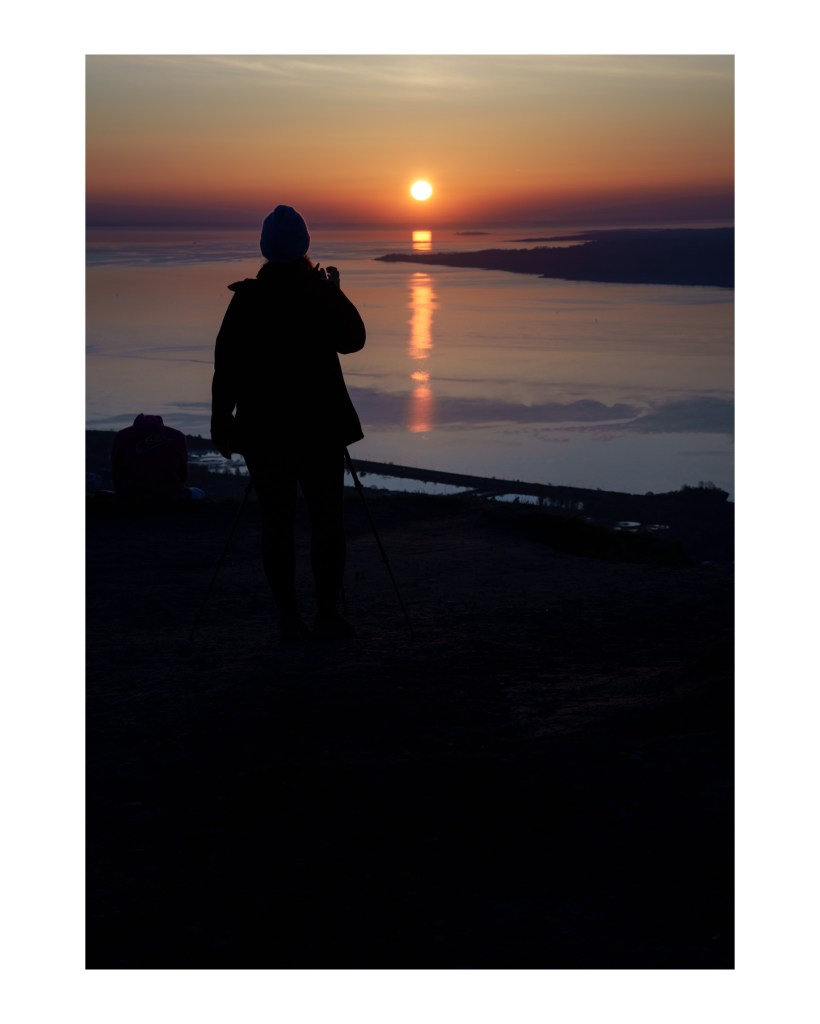
I can guide clients in particular exercises to connect them with their creative side in order to explore and express through photography. Clients do not need to be skilled in photography, and we usually use cameras within mobile phones to take and share images.
This can be particularly effective when exploring issues linked to self-esteem and self-efficacy, and can often lead to an interest in continuing to engage in these techniques, long after therapy has ended.
Walk and Talk
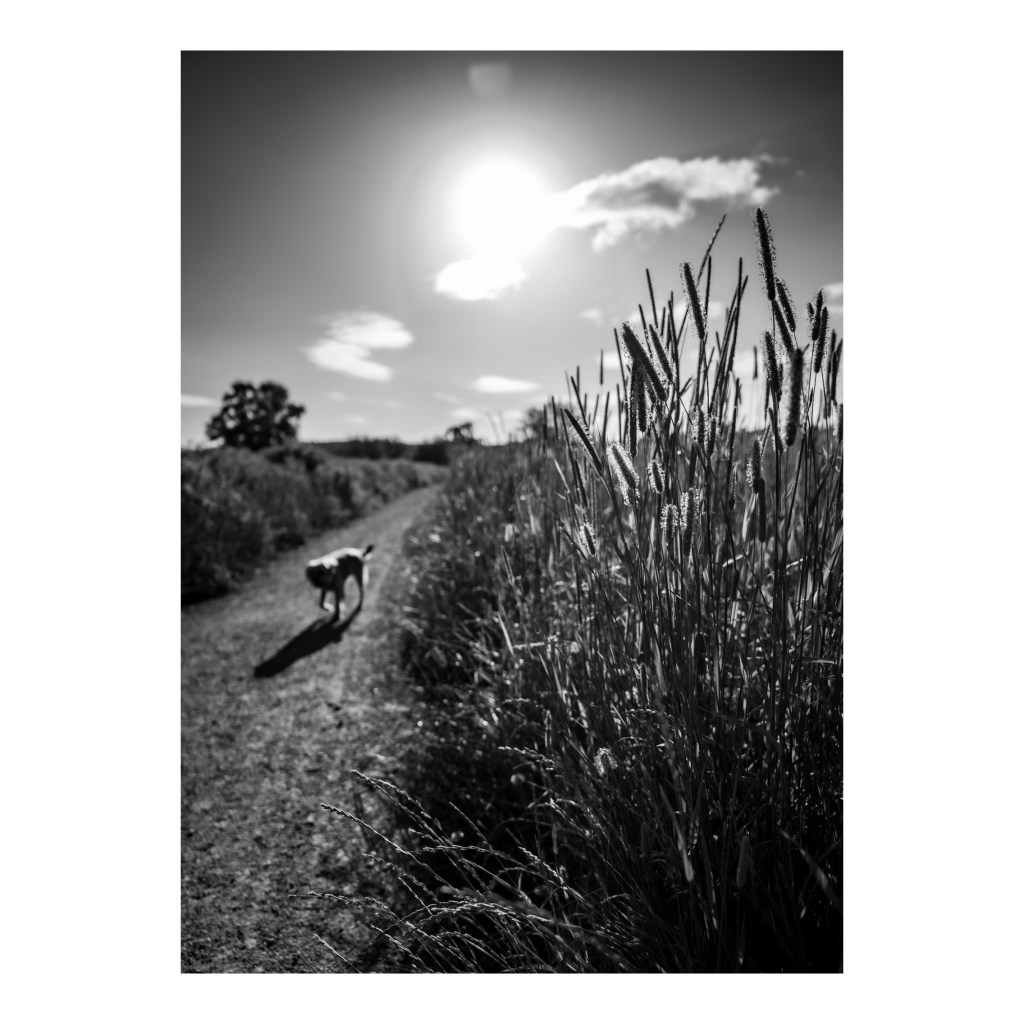
Walk and Talk therapy takes the traditional techniques used within the counselling room, and moves them to the outdoors. Particularly suited to clients who enjoy spending time outdoors, or who might find making eye contact difficult.
Walk and Talk therapy can be combined with all of the above approaches, including photography, for maximum benefit to the client. This approach also takes advantage of being in nature, physical activity, and links to mindfulness.
All walks can be tailored to suit your needs.
Creative Approaches
There are many other approaches I can draw upon to help clients full explore and express themselves in the therapeutic process. Previous clients have used their connection with music to help express themselves, whilst others have found that using techniques known as “sculpting” (where objects are used to map important relationships) have been powerful and revealing.
Pluralistic Therapy
I am finishing this short description of approaches with Pluralistic Therapy which is strongly underpinned by the person centred approach, but draws upon the skills and benefits of other approaches.
There is a danger that pluralistic therapists just use different approaches at random until they find something that works for the client. This, to me, is not acceptable and I work closely with my clients to collaborate and arrive at suitable approaches quickly and appropriately. I appreciate that my clients place trust – physically, psychologically, and financially – in me, and I respect that and work hard to deliver.
 Developing Positives - Counselling & Therapy